

1. A Journey Worth Taking
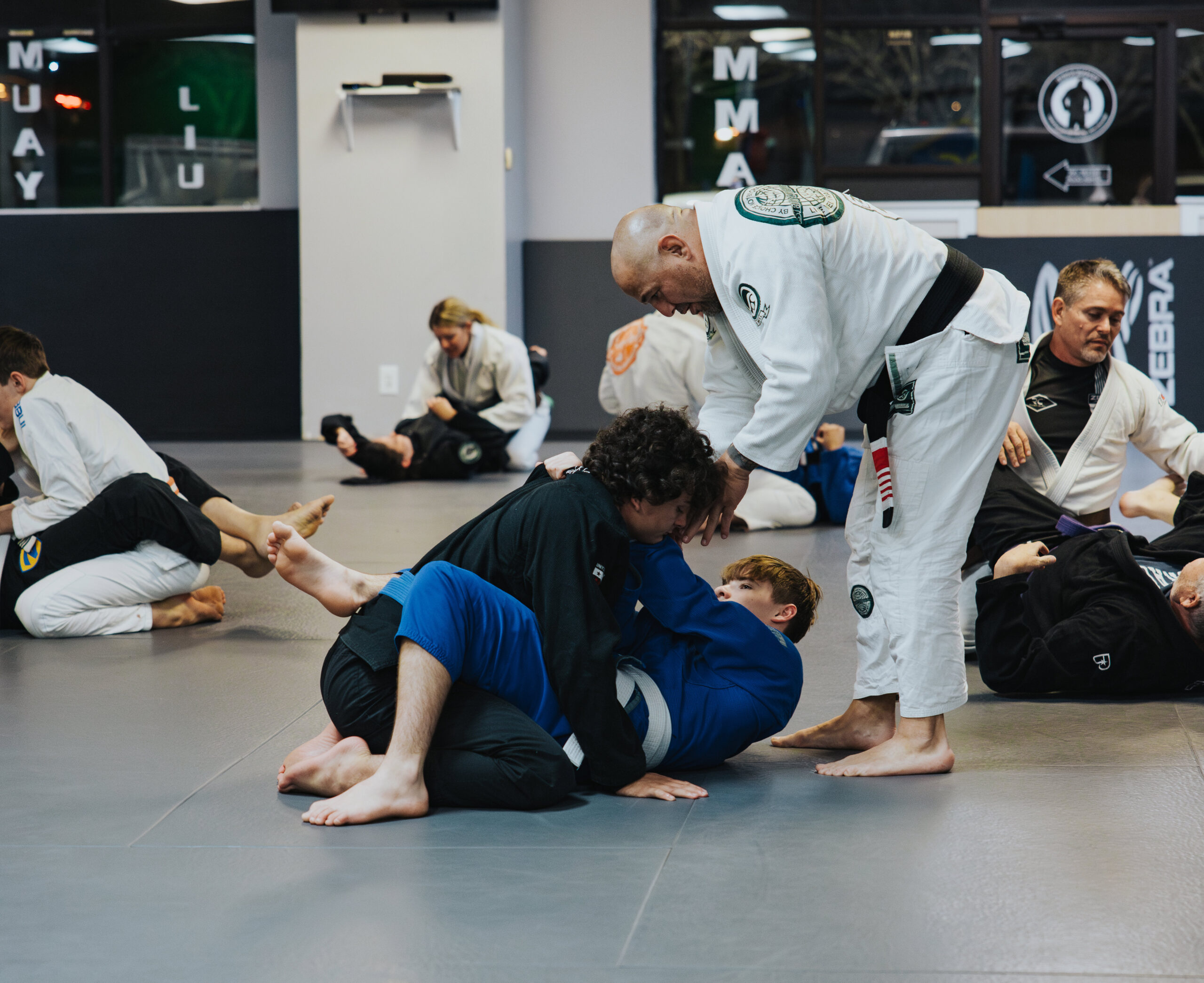
So you’re thinking about starting Brazilian Jiu-Jitsu, or you’ve already taken those first awkward steps onto the mats. Either way, you’re standing at the doorway of an experience that can change how you see your body, your mind, and even your life. That change can be long-term growth—or a short-lived fling cut short by ego. The difference often comes down to expectations and habits in these first few months.
2. What Is Jiu-Jitsu, Really?
At its core, Brazilian Jiu-Jitsu (BJJ) is a grappling art that uses leverage, body mechanics, and positional control to neutralize an opponent—usually by achieving a dominant position or applying a joint lock or choke. Unlike striking arts, BJJ allows you to “tap out” safely, which means you can train at full speed without permanent damage. But Jiu-Jitsu is also a laboratory for humility and self-improvement: every class offers immediate, honest feedback on your strengths, weaknesses, and mindset.
3. Why the First Weeks Feel Overwhelming
Most beginners struggle not with fitness, but with information overload. A single class might cover a hip escape, a guard pass, and a submission—all linked to unfamiliar positions like guard, side control, or mount. Your lungs burn, your brain spins, and you wonder if you’ll ever “get it.” That feeling is normal. Think of BJJ as learning a new language: at first you memorize vocabulary, then short sentences, and only later do you hold fluid conversations.
4. Slow, Steady, Sustainable
As a coach I always say: go slow and steady in the beginning.
-
Show up twice a week. That’s enough volume for your body and brain to adapt without burning out.
-
Delay live rolling. Drilling and warm-ups will leave you plenty sore for a few weeks. Use early sparring rounds to observe and absorb how senior students move.
-
Learn the “survival verbs.” Guard, side control, mount, back mount, grips, and basic takedowns form the grammar of every future technique.
-
Defend first. Your offense will lag behind, so measure progress by how long you can keep good posture or escape bad spots, not by how many taps you get.
5. Winning Habits Off the Mat
BJJ rewards consistency, and nothing derails consistency faster than poor lifestyle choices.
| Habit | Why It Matters | Simple Fix |
|---|---|---|
| Alcohol | Slows recovery and disrupts sleep | Limit drinks to social events or skip them during heavy training weeks |
| Smoking / Vaping | Tanks your cardio | Start a quit plan—your first five-minute roll will prove why |
| Junk Food | Fuels crashes, not classes | Aim for protein, fruits, and veggies at each meal |
| Poor Sleep | Increases injury risk and drains focus | Protect 7–9 hours by setting a device curfew |
Dial these in and you’ll see bigger gains than any fancy technique video can offer.
6. Count the Small Wins
Losses will outnumber successes early on, but each “tap” is a data point—not a defeat. Did you last an extra minute before getting caught? Did you remember to frame instead of panic? Celebrate those. They keep you coming back long enough to experience the real magic of BJJ: steady, undeniable progress.
7. Looking Ahead
If you stick with it, Jiu-Jitsu will teach you patience, resilience, and the value of controlled aggression better than any motivational poster. Next time we’ll dive into the silent killer of many a white belt—ego—and how to keep it from ending your journey before it truly begins.
Until then, keep it slow, keep it steady, and see you on the mats.